
Yeni Alman Rekabet Hukuku
Almanya Rekabet Kısıtlamalarına Karşı Kanun’un (GWB) sekizinci değişikliği Haziran 2013’ten beri yürürlüktedir. En önemli değişikliklerden biri, bir teşebbüsün hakim pazar konumunun artık pazar payının üçte biri eşiğinde değil, yalnızca %’lik bir pazar payından itibaren varsayılmasıdır (Madde […]
Şirket İçi Hukuk Müşavirlerini Düzenleyen Yasanın Reformu
2015 yılının Nisan ayı sonunda, Federal Adalet ve Tüketici Koruma Bakanlığı, şirket içi hukuk müşavirlerini düzenleyen yasanın reformuna ilişkin bakanlık tasarısını resmen sundu. Bu tasarı, öncelikle 3 Nisan 2014 tarihli Federal Sosyal Mahkeme kararlarının ardından ortaya çıkan sorunları, özellikle de […]
“Yeni” Alman Tasarım Kanunu
1 Ocak 2014 tarihinden itibaren, eski Alman Tasarım Patenti Kanunu yürürlükten kaldırılmış ve yeni Alman Tasarım Kanunu olarak yeniden adlandırılmıştır. En önemli değişikliklerden biri, Alman Ticari Marka Kanunu’ndaki (MarkenG, Madde 53) iptal usulünü örnek alan yeni bir geçersizlik usulünün getirilmesidir. Eski Tasarım Patenti Kanunu […]
Halka açık olmayan bir anonim şirketin genel kurulunda kabul edilen tüm kararların usul geçerliliği

16 Nisan 2014 tarihinde, Jena Yüksek Bölge Mahkemesi (dava no. 2 U 608/13), genel kurulda alınan kararların herhangi birinin bile AktG’nin 130. maddesinin (1) numaralı fıkrasının 1. cümlesinde belirtilen usul şartlarına uymaması halinde, tüm kararların geçersiz olduğuna hükmetmiştir. Davalı şirket borsada işlem görmemektedir. Ayrıca […]
2015'ten itibaren Avrupa içinde daha kolay uygulama
10 Ocak 2015 tarihi itibarıyla, “Sivil ve ticari konularda yargı yetkisi ile kararların tanınması ve tenfizi hakkında 12 Aralık 2012 tarihli ve 1215/2012 sayılı yeni (AB) Tüzüğü” yürürlüğe girmiştir (Brüksel Ia Tüzüğü, Brüksel I Tüzüğü olarak da bilinir). Yeni Brüksel Ia Yönetmeliği, yalnızca Avrupa içinde icrayı kolaylaştırmakla kalmayacak […]
Nürnberg Metropol Bölgesi, BREXIT sonrasında işletmeler için en cazip yerlerden biri haline gelebilir

[et_pb_section bb_built=”1″ admin_label=”section” custom_padding=”0px|0px|0px|0px” _builder_version=”3.0.60″ background_image=”https://nzp.de/wp-content/uploads/2017/07/nzp-spiegelung.jpg”][et_pb_row admin_label=”row” custom_padding=”140px||25px|” column_padding_mobile=”on” parallax_method_1=”off” background_position_1=”top_left” background_repeat_1=”no-repeat” _builder_version=”3.0.60″ background_size=”initial” background_position=”top_left” background_repeat=”repeat”][et_pb_column type=”4_4″][et_pb_text _builder_version=”3.0.60″ text_font=”|on|||” text_font_size=”16px” text_text_color=”#d8501e” background_size=”initial” background_position=”top_left” background_repeat=”repeat”] [/et_pb_text][/et_pb_column][/et_pb_row][/et_pb_section][et_pb_section bb_built=”1″ transparent_background=”on” custom_padding=”|||” fullwidth=”on” _builder_version=”3.0.60″][et_pb_fullwidth_post_title author=”off” date_format=”j. M Y ” comments=”off” featured_image=”off” _builder_version=”3.0.73″ title_font_size=”42px” title_letter_spacing=”1px” title_line_height=”1.2em” meta_font_size=”15px” meta_line_height=”1.2em” custom_margin=”|||” custom_padding=”100px||50px|” title_font_size_last_edited=”on|phone” title_font_size_tablet=”42px” title_font_size_phone=”30px” custom_padding_last_edited=”on|desktop” custom_padding_phone=”50px||40px|” custom_padding_tablet=”60px||50px|” /][/et_pb_section][et_pb_section bb_built=”1″ transparent_background=”on” _builder_version=”3.0.60″ […]
Brexit’in ardından Nürnberg Metropol Bölgesi, en cazip kurumsal merkezlerden biri haline gelebilir
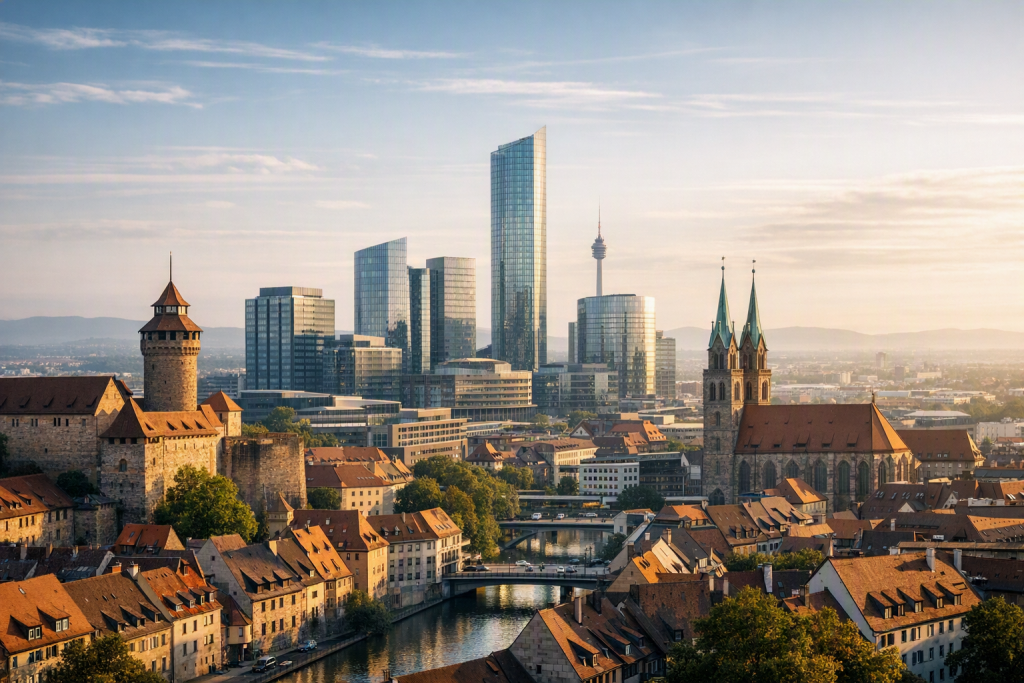
Brexit’e hâlâ iki yıl kalmış olsa da, pek çok şirket şimdiden yeni bir “yuva” aramaya başlamıştır. Gelecekteki kurumsal genel merkezlerini belirleme sürecinde, bu nedenle AB içinde iş yapmanın sorunsuz bir şekilde devam edeceği AB üye devletlerini göz önünde bulundurmaktadırlar. Ancak yeni bir faaliyet merkezi bulmak kolay bir iş değildir […]
Hindistan ile Milyar Euro'luk Ekonomik Teşvik İşbirliği: Odak Noktasında Yüksek Teknoloji Şirketleri

Bugün erken saatlerde, hukuk büromuz, Avrupa şirketlerinin Hindistan pazarına girişini desteklemek amacıyla Hindistan’ın önde gelen şirketlerinden biriyle bir işbirliği anlaşması imzaladı. Bu gelişmenin arka planında, Almanya Federal Şansölyesi Angela Merkel ile Hindistan Başbakanı Narendra Modi’nin bir gün önce yıllık fon desteği içeren bir ekonomik canlandırma programını duyurmuş olmaları yatmaktadır […]
Almanya-Hindistan Arasındaki Gelecek Teknolojilerine Yönelik Yatırımlar: Nürnberg Metropol Bölgesi İçin Genişleyen Ufuklar

[et_pb_section bb_built=”1″ admin_label=”section” custom_padding=”0px|0px|0px|0px” _builder_version=”3.0.60″ background_image=”https://nzp.de/wp-content/uploads/2017/07/nzp-spiegelung.jpg”][et_pb_row admin_label=”row” custom_padding=”140px||25px|” column_padding_mobile=”on” parallax_method_1=”off” _builder_version=”3.0.47″ background_size=”initial” background_position=”top_left” background_repeat=”repeat”][et_pb_column type=”4_4″][et_pb_text _builder_version=”3.0.60″ text_font=”|on|||” text_font_size=”16px” text_text_color=”#d8501e” background_size=”initial” background_position=”top_left” background_repeat=”repeat”] [/et_pb_text][/et_pb_column][/et_pb_row][/et_pb_section][et_pb_section bb_built=”1″ transparent_background=”on” custom_padding=”|||” fullwidth=”on” _builder_version=”3.0.60″][et_pb_fullwidth_post_title author=”off” date_format=”j. M Y ” comments=”off” featured_image=”off” _builder_version=”3.0.73″ title_font_size=”42px” title_letter_spacing=”1px” title_line_height=”1.2em” meta_font_size=”15px” meta_line_height=”1.2em” custom_margin=”|||” custom_padding=”100px||60px|” title_font_size_last_edited=”on|phone” title_font_size_tablet=”42px” title_font_size_phone=”30px” custom_padding_last_edited=”on|phone” custom_padding_tablet=”60px||60px|” custom_padding_phone=”50px||40px|” /][/et_pb_section][et_pb_section bb_built=”1″ transparent_background=”on” _builder_version=”3.0.60″ custom_padding=”0px|0px|57px|0px”][et_pb_row use_custom_width=”on” […]
Macaristan’da E-Adalet — Bizimle Bugün Zaten Kullanılabilir
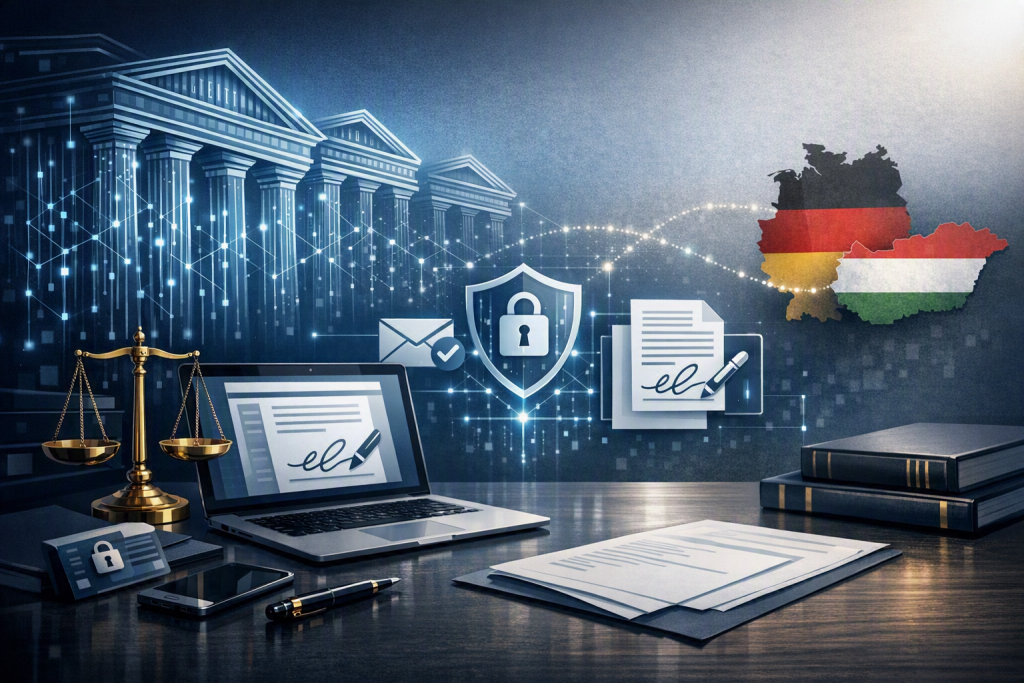
Macaristan’daki meslektaşlarımızın çoğundan bile önce, hukuk büromuz hukuki iletişimi münhasıran elektronik yollarla yürütmeye karar vermiştir. En son teknolojinin yardımıyla — nitelikli elektronik imzalar ve elektronik mahkeme ile idari posta kutuları — sunduğumuz belgeler saniyeler içinde tüm Macaristan mahkemelerine ulaşmaktadır. Kararlar, hükümler ve usul talimatları da aynı şekilde elektronik olarak iletilmektedir […]
 English (UK)
  Magyar
  Deutsch
  Türkçe
  Español
  Català